
Category: Music & Artists

  • How to Create the Perfect Road Trip Playlist: Ultimate Guide for Epic Drives

    How to Create the Perfect Road Trip Playlist: Ultimate Guide for Epic Drives

    Picture this: You’re cruising down the highway with the windows down, wind in your hair, and your favorite songs blasting through the speakers. The right playlist can transform an ordinary drive into an unforgettable adventure. But creating the perfect road trip playlist isn’t just about throwing together a bunch of songs you like. It’s about crafting a musical journey that enhances every mile of your trip.

    In this comprehensive guide, we’ll walk you through everything you need to know to create the ultimate road trip playlist. From understanding the psychology of music on long drives to practical tips for organizing your tracks, you’ll learn how to keep everyone in the car entertained and energized throughout your journey.

    ###CONTENT_START###

    #### Understanding the Psychology of Road Trip Music

    Music has a profound effect on our mood, energy levels, and even our perception of time. When you’re on a long drive, the right songs can help combat fatigue, reduce stress, and make the journey feel shorter. Research shows that music with a tempo between 120-140 beats per minute can increase alertness and energy, which is perfect for those long stretches of highway.

    The key is matching the music to the rhythm of your trip. You’ll want upbeat tracks for when you need to stay awake and focused, and more mellow tunes for when you’re cruising through scenic areas or winding down for the evening. Think about how movies use soundtracks to enhance emotions – your road trip playlist should do the same thing for your journey.

    #### Planning Your Playlist Structure

    A great road trip playlist needs structure, just like a good story. Start by breaking your trip into segments based on time of day, terrain, or mood. For a six-hour drive, you might want three or four distinct musical “acts” that flow naturally from one to the next.

    Consider creating themed sections within your playlist. Maybe you start with classic rock for the morning drive, transition to indie folk for the afternoon scenic routes, and end with upbeat pop for when you’re getting close to your destination. This structure helps prevent musical fatigue and keeps the experience fresh throughout your trip.

    #### Choosing the Right Songs for Different Driving Conditions

    Different driving conditions call for different musical vibes. When you’re navigating busy city traffic, you might want energetic, attention-grabbing tracks that keep you alert. On the open highway, more expansive, atmospheric songs can complement the scenery. During nighttime driving, mellower tunes can help you stay relaxed and focused.

    Think about your route and the types of driving you’ll be doing. If you’re tackling mountain roads, you might want songs with a steady rhythm that matches the winding nature of the drive. For long stretches of straight highway, tracks with a strong beat can help maintain your energy levels.

    #### Balancing Familiar Favorites with New Discoveries

    The perfect road trip playlist strikes a balance between songs everyone knows and loves and new tracks that keep things interesting. Familiar favorites create a sense of comfort and encourage sing-alongs, while new discoveries can make the journey feel more adventurous.

    A good rule of thumb is to include about 60% familiar songs and 40% new or lesser-known tracks. This way, you have plenty of crowd-pleasers to keep spirits high, but also enough variety to keep everyone engaged. Plus, discovering new music together can become a fun shared experience during your trip.

    #### Creating the Ultimate Sing-Along Collection

    No road trip playlist is complete without a solid collection of sing-along songs. These are the tracks that everyone knows the words to, the ones that turn your car into a rolling karaoke machine. Think about songs with memorable choruses, catchy hooks, and lyrics that are easy to remember.

    Classic rock anthems, 90s pop hits, and modern chart-toppers all make great sing-along material. The key is choosing songs that appeal to everyone in the car. If you’re traveling with a mixed-age group, try to include hits from different decades so everyone gets a chance to belt out their favorites.

    #### Incorporating Local and Regional Music

    One way to make your road trip playlist extra special is to include music that reflects the regions you’re traveling through. If you’re driving through the South, throw in some classic country or blues. Heading through the Midwest? Some heartland rock might be perfect. This adds a layer of cultural immersion to your journey.

    This approach not only enhances the travel experience but also helps you connect with the places you’re passing through. It’s like creating a musical map of your route, with each region represented by its signature sounds.

    #### Managing Playlist Length and Flow

    When it comes to playlist length, aim for about 1.5 times the duration of your trip. So for a six-hour drive, create a playlist that’s around nine hours long. This gives you plenty of music without worrying about repeats, and you can always skip songs if needed.

    Pay attention to the flow between songs. You don’t want jarring transitions that kill the vibe. Many music apps have a crossfade feature that can help smooth out transitions between tracks. Also, consider the energy arc of your playlist – you might want to start and end with high-energy songs, with mellower tracks in the middle.

    #### Technical Considerations for Your Playlist

    Make sure your playlist is accessible offline if you’re going through areas with poor cell service. Download your music ahead of time and consider bringing a backup option like a USB drive or CDs. Also, think about sound quality – if you’re an audiophile, you might want to download higher-quality audio files for the best listening experience.

    Don’t forget about volume levels. Different songs can have vastly different volumes, which can be annoying on a long drive. Some music apps have built-in volume normalization features, or you can use third-party tools to balance your tracks before the trip.

    #### Creating Themed Playlists for Different Moods

    Sometimes you need different musical vibes for different parts of your trip. Consider creating a few themed mini-playlists that you can switch between. You might have an “energy boost” playlist for when you’re feeling drowsy, a “scenic route” playlist for beautiful drives, and a “night driving” playlist for after dark.

    This approach gives you more control over the mood in the car and allows you to adapt to changing conditions or preferences. Plus, it’s fun to match the music to the moment – like playing “Life is a Highway” when you hit a particularly scenic stretch of road.

    #### Tips for Collaborative Playlist Creation

    If you’re traveling with friends or family, get everyone involved in creating the playlist. This ensures everyone gets to hear their favorite songs and can prevent musical disagreements during the trip. Use collaborative playlist features in music apps to let everyone add their picks.

    Set some ground rules for collaborative playlists, like limiting how many songs each person can add or establishing a general vibe you’re going for. This keeps the playlist cohesive while still giving everyone a voice. You might be surprised by the musical gems your travel companions introduce you to.

    #### Using Music to Enhance Road Trip Memories

    The right songs can become the soundtrack to your road trip memories. Years later, hearing one of those songs can transport you right back to that journey. Consider including songs that have special meaning to your travel group or that remind you of past adventures.

    You might also want to add some “trip specific” songs – tracks that you discover or that become meaningful during your journey. These can serve as musical bookmarks, helping you remember specific moments or locations from your trip.

    #### Frequently Asked Questions

    What’s the ideal length for a road trip playlist?
    Aim for 1.5 times the duration of your trip. So for a 4-hour drive, create a playlist that’s about 6 hours long. This gives you plenty of music without worrying about repeats.

    How do I handle different musical tastes in the car?
    Create a collaborative playlist where everyone can add their favorite songs. Also, consider taking turns controlling the music or creating themed sections within the playlist to accommodate different preferences.

    Should I include podcasts or audiobooks in my road trip playlist?
    Absolutely! Mixing in some spoken word content can provide a nice break from music and give everyone a chance to rest their voices. Just be mindful of your audience and choose content that’s appropriate for all passengers.

    What are some must-have road trip songs?
    Classic road trip songs include “Born to Run” by Bruce Springsteen, “Life is a Highway” by Tom Cochrane, “I’m Gonna Be (500 Miles)” by The Proclaimers, and “On the Road Again” by Willie Nelson. But the best songs are ones that your group loves to sing along to.

    How can I discover new music for my road trip playlist?
    Check out curated playlists on streaming services, ask friends for recommendations, or explore music from the regions you’ll be traveling through. You can also use music discovery features in apps like Spotify or Apple Music.

    #### Conclusion

    Creating the perfect road trip playlist is both an art and a science. It’s about understanding the psychology of music, planning for different driving conditions, and balancing familiar favorites with new discoveries. By following the tips in this guide, you’ll be able to craft a musical journey that enhances every mile of your adventure.

    Remember, the best road trip playlist is one that keeps everyone in the car happy and energized. Don’t be afraid to experiment, adjust on the go, and most importantly, have fun with it. After all, the journey is just as important as the destination, and the right music can make that journey truly unforgettable.

    So fire up your playlist, hit the road, and let the music guide you to your next great adventure. Safe travels and happy listening!
  • The Best Apps for Learning Guitar Chords on Your Phone

    Learning guitar chords on your phone has never been easier thanks to the explosion of mobile apps designed specifically for guitar players. Whether you’re just starting out or looking to expand your chord vocabulary, there’s an app that can help you master those finger positions and transitions right from your pocket. The beauty of using apps is that you can practice anytime, anywhere – during your lunch break, while traveling, or when inspiration strikes at 2 AM.

    In this guide, we’ll explore the best apps for learning guitar chords that combine interactive lessons, chord libraries, and practice tools to accelerate your learning journey. We’ll also look at how these apps fit into the broader landscape of music education and digital tools that are transforming how we learn instruments today.

    Why Use Apps for Learning Guitar Chords?

    Guitar chord apps offer several advantages over traditional learning methods. First, they provide instant feedback and visual demonstrations that help you correct mistakes immediately. When you’re learning a new chord shape, seeing it from multiple angles and getting real-time guidance makes a huge difference in your progress. Apps also gamify the learning process, turning practice into an engaging experience with progress tracking and achievement systems.

    Another major benefit is accessibility. Unlike books or video courses that require you to pause and rewind, apps let you learn at your own pace with interactive features. You can slow down chord demonstrations, loop difficult sections, and even use your phone’s microphone to check if you’re playing the chord correctly. This immediate feedback loop helps you build muscle memory faster and more accurately.

    Top Apps for Learning Guitar Chords

    Ultimate Guitar: Chords & Tabs

    Ultimate Guitar has become the go-to resource for millions of guitar players worldwide. Their app offers an extensive library of over 1.4 million guitar chords and tabs for songs across all genres. What makes it particularly valuable for learning chords is the interactive chord diagrams that show you exactly where to place your fingers. The app includes a chord trainer feature that helps you practice switching between chords smoothly, which is essential for playing songs.

    The app also includes a tuner, metronome, and the ability to transpose songs to different keys. This versatility makes it useful not just for learning chords but for overall guitar practice. The chord diagrams are clear and color-coded, making them easy to follow even for complete beginners. You can also listen to how each chord should sound, helping you develop your ear alongside your finger technique.

    Yousician: Learn Guitar

    Yousician takes a more structured approach to learning guitar, including chord mastery. The app listens to you play through your phone’s microphone and provides instant feedback on your accuracy and timing. Their chord lessons are part of a comprehensive curriculum that progresses from basic open chords to more advanced barre chords and jazz voicings. The gamified lessons make practice feel like playing a game, with stars and points awarded for accurate playing.

    What sets Yousician apart is its adaptive learning system. The app adjusts difficulty based on your performance, ensuring you’re always challenged but not overwhelmed. Their chord exercises include popular songs, making practice more enjoyable and relevant. The app also tracks your progress over time, showing you exactly how much you’ve improved and what areas need more work.

    ChordBank: Guitar Chord Dictionary

    For those who want a focused tool specifically for chord learning, ChordBank is an excellent choice. This app is essentially a comprehensive chord dictionary with over 7,000 chords, including variations and alternate tunings. The interface is clean and intuitive, making it easy to find and learn any chord you need. Each chord includes multiple fingerings and positions on the neck, giving you options for different playing styles and song contexts.

    ChordBank also includes a reverse chord finder, which is incredibly useful when you hear a chord in a song but don’t know what it’s called. You can tap the fretboard to indicate which strings you’re playing, and the app will identify the chord for you. This feature is particularly helpful for ear training and expanding your chord vocabulary beyond basic shapes.

    JustinGuitar Beginner Lessons

    Created by renowned guitar instructor Justin Sandercoe, this app offers a structured learning path for beginners that includes comprehensive chord training. Justin’s teaching style is clear and encouraging, breaking down complex concepts into manageable steps. The chord lessons start with the essential open chords every beginner needs and gradually introduce more challenging shapes as you progress.

    What makes this app special is the quality of instruction. Justin explains not just how to play each chord, but why certain fingerings work better than others and how to troubleshoot common problems. The app includes video demonstrations, backing tracks for practice, and a supportive community forum where you can ask questions and share progress. This combination of structured learning and community support creates an excellent environment for chord mastery.

    Features to Look for in Chord Learning Apps

    When choosing a guitar chord app, several key features can make your learning experience more effective. First, look for apps with clear, high-quality chord diagrams that show finger placement from multiple angles. Some apps even include 3D visualizations that let you rotate the fretboard view, helping you understand how chords are constructed.

    Another important feature is audio playback for each chord. Hearing how a chord should sound helps train your ear and ensures you’re playing it correctly. Many apps also include strumming patterns and rhythm guides, which are crucial for making your chord transitions sound musical rather than mechanical. The ability to slow down chord demonstrations without changing pitch is also valuable for mastering difficult transitions.

    Progress tracking is another feature worth considering. Apps that monitor your practice time, track which chords you’ve mastered, and identify areas needing improvement can help you stay motivated and focused. Some apps even create personalized practice routines based on your performance data, ensuring you spend time on the chords that challenge you most.

    How to Maximize Your Learning with Apps

    Using apps effectively requires more than just downloading and opening them. To get the most out of your chord learning journey, establish a consistent practice routine. Even 15-20 minutes of focused practice daily is more effective than occasional longer sessions. Most apps include practice reminders and streak tracking features to help you build this habit.

    Combine app learning with real-world application by playing along with your favorite songs. Many chord apps include song libraries with backing tracks, allowing you to practice chords in musical contexts. This approach helps you understand how chords function in actual music rather than just as isolated shapes. Try to learn songs that use the chords you’re currently practicing to reinforce your learning.

    Don’t rush through the material. Many beginners make the mistake of trying to learn too many chords too quickly. Focus on mastering a small set of essential chords first – typically A, D, E, G, and C for open position playing. Once you can switch between these smoothly, gradually add more complex chords to your repertoire. Apps with structured learning paths can help guide this progression naturally.

    The Role of Technology in Modern Music Education

    The rise of mobile apps for learning guitar chords reflects a broader trend in music education technology. Just as TikTok is changing music in 2023 by creating new ways for artists to reach audiences, mobile apps are democratizing music education by making high-quality instruction accessible to anyone with a smartphone. This technological evolution is breaking down traditional barriers to music learning, such as cost, location, and access to teachers.

    Modern music education apps incorporate principles from gaming and behavioral psychology to keep learners engaged. Progress tracking, achievement systems, and social sharing features tap into our natural desire for accomplishment and recognition. This approach is similar to how podcasts are changing how we tell stories forever, using new formats and technologies to make content more engaging and accessible.

    The integration of artificial intelligence and machine learning in music apps is also opening new possibilities. Some apps can now analyze your playing in real-time, providing personalized feedback and adjusting lesson difficulty based on your performance. This level of customization was previously only available through private instruction but is now accessible to anyone with a smartphone and a guitar.

    Common Challenges When Learning Guitar Chords

    Many beginners struggle with similar challenges when learning guitar chords, and understanding these can help you overcome them more quickly. One of the most common issues is finger pain and discomfort, especially when first developing calluses. This is completely normal and temporary – consistent practice will build the necessary finger strength and toughness. Apps can help by providing exercises that gradually build finger strength without causing excessive strain.

    Another challenge is chord transitions. Moving smoothly between chords requires both muscle memory and mental understanding of the finger patterns. Apps with transition exercises and visual aids can help you practice these movements slowly and accurately. Focus on common chord progressions first, as these appear in many songs and will give you the most practical benefit.

    Timing and rhythm often pose challenges for beginners learning chords. It’s one thing to form a chord correctly, but quite another to strum it in time with music. Many apps include metronome features and rhythm exercises specifically designed to help you develop this skill. Start slowly and gradually increase speed as your confidence and accuracy improve.

    Advanced Chord Techniques and Apps

    Once you’ve mastered basic open chords, you might want to explore more advanced chord techniques. Apps can guide you through barre chords, power chords, jazz voicings, and alternative tunings. These advanced techniques open up new musical possibilities and allow you to play a wider range of songs and styles.

    For barre chords specifically, apps like Uberchord offer specialized exercises that break down the technique into manageable steps. They provide visual guides for hand positioning and exercises that build the necessary finger strength gradually. Some apps even include video demonstrations from professional guitarists showing proper technique and common mistakes to avoid.

    Exploring different tunings is another area where apps excel. Standard tuning is just one of many options available to guitarists. Apps can show you how chords change in alternative tunings like drop D, open G, or DADGAD. This exploration can inspire new musical ideas and help you develop a deeper understanding of how the guitar works as an instrument.

    Integrating App Learning with Other Resources

    While apps are incredibly powerful tools for learning guitar chords, they work best when integrated with other learning resources. Consider combining app learning with YouTube tutorials, online courses, or even occasional lessons with a local teacher. Each resource offers different perspectives and teaching styles that can complement each other.

    Books and printed materials still have value in the digital age. Many guitarists find that having a physical chord dictionary or method book provides a different kind of reference than an app. You might use an app for daily practice and interactive learning while keeping a chord book for quick reference or deeper theoretical understanding.

    Playing with other musicians is perhaps the most valuable complement to app learning. Join local jam sessions, find online communities, or simply play with friends who also play guitar. This real-world application of your chord knowledge helps you understand how chords function in musical contexts and develops your ability to play with others.

    Frequently Asked Questions (FAQ)

    What’s the best app for absolute beginners learning guitar chords?

    For complete beginners, JustinGuitar Beginner Lessons is often recommended as the best starting point. The app provides a structured curriculum that starts with the most essential chords and builds gradually. The teaching style is encouraging and clear, making it less intimidating for those who have never played guitar before. Ultimate Guitar is also excellent for beginners due to its extensive chord library and user-friendly interface.

    Can I really learn guitar chords effectively using just a phone app?

    Yes, you can learn guitar chords effectively using phone apps, especially when combined with consistent practice. Modern apps offer interactive features, instant feedback, and comprehensive learning materials that rival traditional instruction. However, apps work best as part of a broader learning approach that includes playing real songs, practicing regularly, and possibly supplementing with other resources like video lessons or occasional in-person instruction.

    How much time should I spend practicing guitar chords each day?

    For beginners, 15-30 minutes of focused practice daily is more effective than longer, less frequent sessions. Consistency is key when building muscle memory for chord shapes. As you progress, you might increase this to 45-60 minutes, but quality of practice matters more than quantity. Many apps include practice tracking features that can help you maintain this consistency and gradually increase your practice time as your skills improve.

    Are paid guitar apps worth the money compared to free options?

    Paid apps often offer more comprehensive features, better user experience, and more structured learning paths compared to free options. However, many free apps provide excellent basic functionality for learning chords. The decision depends on your learning goals, budget, and how serious you are about guitar playing. Many paid apps offer free trials, allowing you to test their features before committing to a subscription.

    How do I know if I’m playing chords correctly when using an app?

    Most modern guitar apps use your phone’s microphone to listen to your playing and provide feedback on accuracy. Look for apps with this feature if you want real-time feedback. Additionally, you can use the app’s chord diagrams and audio examples as reference points. Recording yourself playing and comparing it to the app’s examples can also help you identify areas for improvement. Over time, your ear will develop to the point where you can tell when chords sound correct.

    Conclusion

    Learning guitar chords through mobile apps has revolutionized how people approach guitar education. The combination of interactive features, comprehensive chord libraries, and personalized feedback makes these tools incredibly effective for players at all skill levels. Whether you’re a complete beginner just starting your musical journey or an experienced player looking to expand your chord vocabulary, there’s an app that can help you achieve your goals.

    The key to success with any learning tool is consistent practice and a willingness to explore different approaches. Don’t be afraid to try multiple apps to find the one that best matches your learning style. Remember that while apps are powerful tools, they work best when integrated with real-world playing, song learning, and musical exploration. The ultimate goal is not just to memorize chord shapes but to understand how chords function in music and to enjoy the process of making music with your guitar.

    As technology continues to evolve, we can expect even more innovative features in guitar learning apps. From AI-powered feedback to virtual reality practice environments, the future of music education looks exciting. For now, the apps available today offer more than enough resources to help you master guitar chords and start playing the songs you love. So grab your guitar, download a few apps, and start your chord learning journey today – your future musical self will thank you.

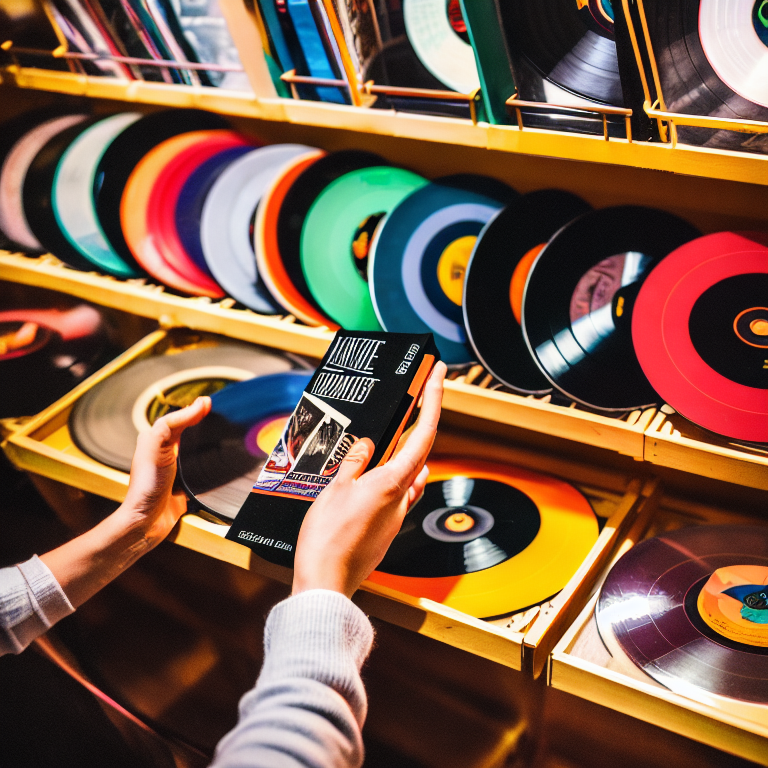
  • How to Find Rare Vinyl Records Online Without Breaking the Bank

    How to Find Rare Vinyl Records Online Without Breaking the Bank

    If you’ve ever dreamed of owning that rare pressing of your favorite album but thought it was out of reach, you’re not alone. Many vinyl enthusiasts believe rare records are only for the wealthy or super-connected collectors. The truth is, with the right strategies and a bit of patience, you can discover incredible vinyl gems online without emptying your wallet.

    The vinyl revival has made rare records more accessible than ever, but it’s also created a competitive market where prices can skyrocket. However, knowing where to look and how to evaluate listings can make all the difference between scoring a bargain and overpaying. Whether you’re hunting for that elusive first pressing or a limited edition colored vinyl, this guide will walk you through the smartest ways to find rare vinyl records online without breaking the bank.

    Let’s dive into the world of online vinyl hunting and uncover the secrets to building an impressive collection on a budget.

  • Why Vinyl Records Are Making a Comeback in 2024: The Analog Revival

    There’s something magical about dropping a needle onto a vinyl record and hearing that first crackle before the music begins. In 2024, more people than ever are discovering this joy, as vinyl records continue their remarkable comeback after nearly being forgotten in the digital age. What started as a nostalgic trend has evolved into a full-blown revival that’s changing how we experience music.

    The numbers tell an incredible story. Vinyl record sales have been growing steadily for over a decade, with 2023 marking the 17th consecutive year of growth in the vinyl market. In 2024, vinyl is projected to outsell CDs for the fourth year in a row, and some experts predict vinyl could even surpass digital downloads in revenue within the next few years. This isn’t just about old people reliving their youth – younger generations are driving much of this growth, with nearly half of all vinyl buyers being under 35 years old.

    The Sound Quality Debate

    One of the biggest reasons people give for choosing vinyl is the sound quality. Unlike digital music, which converts sound into compressed computer files, vinyl records capture the complete sound wave in physical form. When you play a vinyl record, you’re hearing the music exactly as it was recorded, with all its warmth and depth intact.

    Many audiophiles argue that vinyl provides a richer, more authentic listening experience. The sound has a warmth and depth that digital formats often lack. Those subtle crackles and pops? They’re not just charming – they’re part of the music’s character. Vinyl captures frequencies that digital formats might lose during compression, especially in the lower bass and higher treble ranges.

    However, it’s worth noting that not all vinyl sounds better than digital. The quality depends on factors like the original recording equipment, how the vinyl was mastered, and the condition of your turntable. A poorly pressed record on a cheap turntable might sound worse than a high-quality digital file. But when everything aligns perfectly, vinyl can provide an unmatched listening experience that many describe as more “alive” and engaging.

    The Ritual of Listening

    In our fast-paced digital world, vinyl offers something increasingly rare: intentionality. Playing a record isn’t something you do while multitasking – it’s an event. You have to physically select an album, carefully remove it from its sleeve, place it on the turntable, and gently drop the needle. This ritual forces you to slow down and actually pay attention to the music.

    This mindful approach to listening is especially appealing to younger generations who grew up with streaming services. Many people report that they actually listen to music more when they have vinyl, because each album becomes a dedicated listening session rather than background noise. You’re more likely to sit down and listen to an entire album from start to finish, experiencing the artist’s intended sequence of songs.

    The physical aspect of vinyl also adds to the experience. Album artwork is larger and more impressive than CD covers or digital thumbnails. Liner notes, lyrics, and photos become part of the experience rather than afterthoughts. Many collectors say that holding a beautifully designed album cover while listening to the music creates a more complete artistic experience.

    The Collectible Factor

    Vinyl records have become more than just a way to listen to music – they’re collectible items with real value. Limited edition pressings, colored vinyl, picture discs, and special releases can become valuable over time. Some rare records have sold for thousands of dollars, making vinyl collecting both a hobby and potentially a smart investment.

    The collectible nature of vinyl extends beyond just the music itself. Record stores have become community hubs where people gather to browse, trade, and discuss music. Many stores host listening parties, release events, and live performances. This social aspect of vinyl collecting creates connections between music fans that streaming services simply can’t replicate.

    For artists, vinyl releases have become an important revenue stream and marketing tool. Many bands now press limited runs of colored vinyl or special editions for their most dedicated fans. These releases often sell out quickly and become prized possessions for collectors. Some artists even create exclusive content for vinyl releases, like bonus tracks or special artwork, giving fans extra incentive to buy physical copies.

    The Environmental Question

    As vinyl makes its comeback, some people wonder about the environmental impact. Vinyl records are made from PVC plastic, which isn’t biodegradable and can be difficult to recycle. The manufacturing process also requires energy and resources. However, many in the industry are working to make vinyl production more sustainable.

    Some pressing plants are experimenting with recycled vinyl and more eco-friendly materials. Others are focusing on producing higher quality records that will last longer, reducing waste over time. The fact that vinyl records can last for decades or even centuries with proper care means they don’t need to be replaced as often as other formats.

    It’s also worth considering the environmental impact of digital music. While digital files don’t create physical waste, they do require energy to stream and store. Data centers that host music files consume massive amounts of electricity. When you factor in the energy used by devices to stream music and the short lifespan of many electronics, the environmental comparison between vinyl and digital isn’t as clear-cut as it might seem.

    The Modern Vinyl Experience

    Today’s vinyl experience is quite different from what it was in the 1960s or 70s. Modern turntables come with USB connections for digitizing your records, Bluetooth for wireless listening, and automatic features that make them easier to use. You don’t need to be a tech expert to enjoy vinyl anymore – there are options for every budget and skill level.

    The music industry has also adapted to the vinyl revival. Many new releases now come out on vinyl simultaneously with digital versions. Streaming services have even started featuring “vinyl-focused” playlists to help people discover records to buy. Some artists release exclusive vinyl-only tracks or special editions that aren’t available digitally.

    Record stores have evolved too. While classic independent record shops still exist, you can now buy vinyl at major retailers, online marketplaces, and even some supermarkets. The selection has expanded beyond classic rock and jazz to include hip-hop, electronic, and contemporary pop on vinyl. This accessibility has helped introduce vinyl to new generations of music fans.

    Building Your Vinyl Collection

    Starting a vinyl collection in 2024 is easier than ever, but it can still feel overwhelming. The first thing to consider is your budget. You can find decent turntables for under $200, but serious audiophiles might spend thousands on high-end equipment. Remember that you’ll also need speakers or a good amplifier to get the best sound.

    When it comes to buying records, there are many options. New releases are widely available, but don’t overlook used records. Thrift stores, garage sales, and online marketplaces can be great sources for affordable vinyl. Just be sure to check the condition carefully – scratches and warps can affect sound quality.

    Start with music you already love. If you’re a fan of classic rock, jazz, or any genre with a rich history, you’ll find plenty of great albums to begin your collection. As you explore, you might discover new artists and genres through the recommendations of record store staff or fellow collectors. The beauty of vinyl is that it encourages exploration and discovery.

    The Future of Vinyl

    The vinyl revival shows no signs of slowing down in 2024. More pressing plants are opening to meet demand, and manufacturers are developing new technologies to improve the vinyl experience. Some companies are experimenting with longer playing times, better sound quality, and more sustainable production methods.

    The integration of vinyl with modern technology is also evolving. Smart turntables that can identify your records and provide information about the music are becoming more common. Some artists are creating augmented reality experiences that you can access through your phone while listening to vinyl. The future of vinyl might combine the best of analog and digital worlds.

    However, challenges remain. The supply chain for vinyl production is still fragile, with some materials difficult to source. The industry needs to balance growing demand with sustainable practices. But the passion of vinyl fans and the commitment of the music industry suggest that vinyl will continue to thrive for years to come.

    Frequently Asked Questions (FAQ)

    Is vinyl really better quality than digital music?

    It depends on what you mean by “better.” Vinyl can provide a warmer, more natural sound with greater depth, especially for certain types of music. However, high-quality digital files can also sound excellent. The “better” format often comes down to personal preference and the specific recording in question.

    How much does it cost to start listening to vinyl?

    You can start with a basic turntable setup for around $200-300, including speakers. Records typically cost $20-40 for new releases, though used records can be much cheaper. Building a collection is an ongoing investment, but you can start small and grow over time.

    Do I need special equipment to play vinyl records?

    Yes, you’ll need a turntable, a phono preamp (built into some turntables), an amplifier or receiver, and speakers. Some modern turntables come with built-in speakers and don’t require additional equipment, though these are usually lower quality.

    How do I take care of vinyl records?

    Store records vertically in a cool, dry place away from direct sunlight. Always handle records by the edges to avoid fingerprints on the playing surface. Clean records regularly with a carbon fiber brush and consider a deeper cleaning solution for older records.

    Why are some vinyl records so expensive?

    Limited edition pressings, colored vinyl, and records from popular artists can command higher prices. The cost of production has also increased, especially with high demand and limited pressing capacity. Some expensive records become valuable collectibles over time.

    Can I still buy new vinyl records of current music?

    Absolutely! Most new music releases come out on vinyl simultaneously with digital versions. You can find vinyl releases from contemporary artists across all genres, from pop and hip-hop to electronic and indie music.

    Conclusion

    The vinyl revival in 2024 is more than just a nostalgic trend – it’s a fundamental shift in how we experience and value music. In an age of instant digital access, vinyl offers something unique: a tangible connection to the music, a ritual of listening, and a community of fellow enthusiasts. Whether you’re a longtime collector or just discovering the magic of vinyl, there’s never been a better time to join the analog revival.

    The combination of superior sound quality, collectible value, and the simple joy of the listening experience makes vinyl more than just a format – it’s a lifestyle choice. As technology continues to evolve, vinyl stands as a reminder that sometimes the old ways of doing things still have value. The crackle of a needle on vinyl isn’t just noise – it’s the sound of music being experienced the way it was meant to be heard.

  • How to Create a DIY Music Video on a Budget

    Creating your own music video doesn’t have to cost thousands of dollars. With a little creativity and some basic equipment, you can produce a professional-looking video that showcases your music and style. Whether you’re an indie artist just starting out or someone looking to experiment with visual storytelling, this guide will walk you through the process step by step.

    The first thing to understand is that a great music video isn’t about expensive gear—it’s about vision and execution. Many iconic videos have been made with minimal resources. What matters most is how well your video connects with your song and your audience. Planning is key, and that starts with a clear concept.

    Before you even pick up a camera, take time to brainstorm ideas that fit your song’s mood and message. Write down themes, visuals, and locations that come to mind. Think about the story you want to tell or the feeling you want to evoke. You can draw inspiration from your favorite videos, movies, or even everyday life. If you’re stuck, consider how artists like Taylor Swift develop their visual narratives—her songwriting journey often mirrors her personal growth, and that same authenticity can translate beautifully into a DIY video.

    Once you have a concept, it’s time to plan your shoot. This means creating a shot list, scouting locations, and gathering your team. You don’t need a big crew—just a few friends who are willing to help with camera work, lighting, or holding props. Natural light is your best friend, so try to shoot outdoors or near windows. For indoor scenes, affordable LED lights or even string lights can create a warm, inviting atmosphere.

    When it comes to equipment, you don’t need the latest camera. Many smartphones today shoot in high definition and can produce stunning results. Pair your phone with a cheap stabilizer or tripod to keep your shots steady. If you want to get creative, try using different angles, slow motion, or even a time-lapse to add visual interest.

    Editing is where your video really comes together. Free software like DaVinci Resolve or iMovie can help you cut clips, add transitions, and sync your footage to the music. Pay attention to pacing—match the energy of your song with the rhythm of your edits. Adding simple effects, color grading, or text overlays can give your video a polished look without breaking the bank.

    Sound is just as important as visuals. Make sure your music track is mixed well and that any dialogue or ambient sound is clear. If you’re recording live audio, use an external microphone for better quality. Background noise can be distracting, so choose quiet locations or shoot during times when there’s less activity.

    Promotion is the final step. Once your video is complete, share it on social media platforms where your audience hangs out. TikTok, in particular, has become a powerful tool for indie artists to grow their fanbase. By posting teasers, behind-the-scenes clips, or even challenges related to your video, you can generate buzz and reach new listeners.

    Remember, the most important thing is to have fun and be yourself. Your unique perspective is what will make your video stand out. Don’t be afraid to experiment, make mistakes, and learn as you go. With a little effort and imagination, you can create a music video that not only looks great but also tells your story in a way that resonates with others.

    ###CONTENT_END

  • Top 5 Tips for Writing Catchy Song Hooks That Stick in Listeners’ Minds

    Have you ever found yourself humming a tune that just won’t leave your head? That’s the power of a great song hook. A hook is that magical musical moment that grabs listeners and refuses to let go. Whether you’re an aspiring songwriter or just curious about what makes certain songs so memorable, understanding how to craft irresistible hooks can transform your music from ordinary to unforgettable.

    The secret to writing catchy hooks isn’t about being complicated or showing off technical skills. Instead, it’s about creating something simple, memorable, and emotionally resonant. Think about songs like “Happy” by Pharrell Williams or “Uptown Funk” by Bruno Mars – their hooks are instantly recognizable and make you want to move. That’s exactly what we’re aiming for.

    Let’s dive into the top five tips that will help you write hooks that stick in people’s minds long after the song ends.

  • Best Affordable Microphones for Home Studio Recording: Top Picks for 2024

    Setting up a home studio doesn’t have to break the bank. Whether you’re a podcaster, musician, or content creator, finding the right microphone is crucial for capturing clear, professional-quality audio. In this guide, we’ll explore some of the best affordable microphones that deliver excellent performance without emptying your wallet.

    When choosing a microphone for your home studio, consider factors like sound quality, durability, and compatibility with your recording setup. Many budget-friendly options offer impressive features that rival more expensive models, making it easier than ever to achieve studio-quality recordings at home.

    Dynamic Microphones: Reliable and Versatile

    Dynamic microphones are a popular choice for home studios due to their durability and ability to handle high sound pressure levels. They’re ideal for recording loud instruments, vocals, and live performances. One standout option is the Audio-Technica ATR2100x-USB, which offers both USB and XLR connections for versatile use. Its cardioid polar pattern helps reduce background noise, making it perfect for home recording environments.

    Another excellent dynamic microphone is the Shure SM58, a legendary mic known for its reliability and warm sound signature. While slightly more expensive than some other options, the SM58’s durability and consistent performance make it a worthwhile investment for any home studio.

    Condenser Microphones: Capturing Detail and Clarity

    Condenser microphones are prized for their sensitivity and ability to capture nuanced details in vocals and acoustic instruments. For those on a budget, the Audio-Technica AT2020 is a fantastic choice. It offers a wide dynamic range and a cardioid polar pattern, making it suitable for various recording applications.

    If you’re looking for a USB condenser microphone, the Blue Yeti is a popular option that delivers excellent sound quality and ease of use. Its multiple pattern settings allow you to adapt to different recording scenarios, from solo vocals to group discussions.

    USB Microphones: Plug-and-Play Convenience

    USB microphones have gained popularity in recent years due to their simplicity and compatibility with computers. The Samson Q2U is a versatile option that functions as both a USB and XLR microphone, giving you flexibility as your recording needs evolve. Its built-in headphone output allows for real-time monitoring, which is essential for achieving the perfect take.

    For podcasters and streamers, the Rode NT-USB Mini offers a compact design without compromising on sound quality. Its zero-latency headphone monitoring and studio-grade pop filter make it an excellent choice for home studio setups.

    Lavalier Microphones: Discreet and Portable

    Lavalier microphones, also known as lapel mics, are perfect for interviews, vlogging, and on-the-go recording. The Rode SmartLav+ is a budget-friendly option that connects directly to your smartphone, making it incredibly convenient for mobile recording. Its omnidirectional pickup pattern ensures consistent audio quality even when the speaker moves around.

    For a more professional setup, the Audio-Technica ATR3350xiS offers a wireless lavalier system with a portable receiver. This allows for greater freedom of movement during recordings, which is especially useful for video content creators.

    Microphone Accessories: Enhancing Your Setup

    To get the most out of your affordable microphone, consider investing in some essential accessories. A pop filter can significantly reduce plosive sounds in vocal recordings, while a shock mount helps isolate the microphone from vibrations and handling noise. The Aokeo Professional Microphone Pop Filter is an inexpensive yet effective option that works with most microphones.

    Acoustic treatment is another crucial aspect of home studio recording. While professional-grade soundproofing can be expensive, you can improve your room’s acoustics with budget-friendly solutions like foam panels or DIY bass traps. Check out our article on [podcasts vs radio trends](https://enterlux.cfd/podcasts-vs-radio-trends/) for more insights on audio quality in different recording environments.

    Recording Software: The Perfect Companion

    Pairing your affordable microphone with the right recording software can elevate your home studio setup. Free options like Audacity offer powerful editing capabilities, while paid software like Adobe Audition provides advanced features for more experienced users. Many USB microphones come with bundled software, making it easy to start recording right out of the box.

    For those interested in music production, digital audio workstations (DAWs) like Reaper or GarageBand offer comprehensive tools for recording, editing, and mixing audio. These programs often have free trials or affordable licenses, making them accessible to beginners and professionals alike.

    Maintenance and Care: Protecting Your Investment

    To ensure your affordable microphone continues to perform at its best, proper maintenance is essential. Regularly clean the microphone grill and body with a soft, dry cloth to prevent dust buildup. For condenser microphones, store them in a cool, dry place when not in use to protect the sensitive internal components.

    If you’re using XLR microphones, invest in high-quality cables to minimize signal loss and interference. The right cables can make a noticeable difference in audio quality, especially over longer distances. For more tips on maintaining your recording equipment, take a look at our article on [hidden gem movies list](https://enterlux.cfd/hidden-gem-movies-list/), where we discuss the importance of preserving valuable tools.

    Conclusion

    Building a home studio with affordable microphones is an achievable goal for anyone passionate about audio recording. By carefully selecting the right microphone for your needs and complementing it with essential accessories and software, you can create professional-quality recordings without breaking the bank. Remember to consider factors like polar patterns, connectivity options, and intended use when making your choice. With the right setup and a bit of practice, you’ll be well on your way to producing impressive audio content from the comfort of your home.

    Whether you’re recording vocals, instruments, podcasts, or voice-overs, the microphones discussed in this guide offer excellent value for their price. As you grow more comfortable with your home studio setup, you may find yourself exploring more advanced equipment and techniques. But for now, these affordable options provide a solid foundation for your audio recording journey.

    Frequently Asked Questions (FAQ)

    #### What is the best affordable microphone for beginners?

    For beginners, the Audio-Technica ATR2100x-USB is an excellent choice due to its versatility, sound quality, and ease of use. It offers both USB and XLR connections, allowing you to start with a simple setup and expand as you gain experience.

    #### Do I need an audio interface for my home studio microphone?

    It depends on the type of microphone you choose. USB microphones can connect directly to your computer, while XLR microphones require an audio interface to convert the analog signal to digital. For a budget-friendly setup, consider a USB microphone or an audio interface with multiple inputs for future expansion.

    #### How can I improve the sound quality of my recordings?

    To enhance your recordings, focus on proper microphone placement, use a pop filter to reduce plosive sounds, and consider acoustic treatment for your recording space. Additionally, experiment with different recording techniques and post-processing to find the best sound for your needs.

    #### Are expensive microphones always better than affordable ones?

    Not necessarily. While high-end microphones often offer superior sound quality and features, many affordable options provide excellent performance for home studio use. The key is to choose a microphone that suits your specific needs and recording environment.

    #### Can I use a gaming headset microphone for home studio recording?

    While gaming headset microphones are convenient, they typically don’t offer the same sound quality as dedicated studio microphones. For serious home recording, it’s worth investing in a purpose-built microphone to achieve professional results.

  • How Indie Artists Use TikTok to Grow Their Fanbase

    TikTok has become a game-changer for independent musicians looking to build their careers without the backing of major record labels. The platform’s unique algorithm and short-form video format have created unprecedented opportunities for indie artists to reach massive audiences with just a smartphone and a creative idea. For musicians working outside the traditional industry system, TikTok offers a direct line to potential fans, collaborators, and even industry professionals who are increasingly scouting talent on the platform.

    The power of TikTok for indie artists lies in its ability to make songs go viral through user-generated content. Unlike traditional radio play or music video channels, TikTok allows listeners to become active participants in promoting music by creating their own videos using an artist’s song. This organic, community-driven promotion has launched countless indie careers and transformed how new music is discovered in the digital age.

    Understanding the TikTok Algorithm for Music Discovery

    The TikTok algorithm works differently from other social media platforms, which is great news for indie artists trying to get noticed. Instead of showing content primarily to an artist’s followers, TikTok pushes videos to users based on engagement patterns, watch time, and user interests. This means a video from a musician with zero followers can potentially reach millions if it resonates with viewers.

    The “For You” page serves as the primary discovery engine, and the algorithm favors content that keeps users watching and engaging. For musicians, this means creating videos that hook viewers in the first few seconds and encourage interaction through likes, comments, and shares. The algorithm also tracks how users interact with specific sounds, so when people use an indie artist’s song in their own videos, it signals to TikTok that the music is worth promoting to more users.

    Sound is central to the TikTok experience, and the platform treats music as a core feature rather than just background noise. When users select a song for their video, they’re essentially voting for that track to be shown to more people. This creates a snowball effect where popular songs gain even more visibility, making it crucial for indie artists to create music that inspires video creation and participation.

    Creating Viral-Worthy Content as an Indie Artist

    Success on TikTok requires more than just uploading music videos. Indie artists need to create content that feels native to the platform while showcasing their personality and music. The most successful musicians on TikTok blend entertainment with authenticity, giving fans glimpses into their creative process, daily life, and the stories behind their songs.

    Behind-the-scenes content performs exceptionally well, as viewers love seeing how music is made. Artists can share snippets of songwriting sessions, recording processes, or even the struggles and failures that come with creating music independently. This transparency helps build genuine connections with potential fans who appreciate the human side of music-making.

    Challenges and trends offer another avenue for exposure, but indie artists should participate strategically. Rather than jumping on every trend, successful musicians adapt popular formats to showcase their unique style and music. This might mean creating a dance challenge for an upbeat track or using trending audio formats to highlight a new song’s hook or lyrics.

    Building a Consistent Posting Strategy

    Consistency is crucial for growing a fanbase on TikTok, but this doesn’t mean posting constantly without purpose. Indie artists should develop a content calendar that balances music promotion with engaging, non-musical content that helps fans connect with them as people. A good starting point is posting 3-5 times per week, focusing on quality over quantity.

    The timing of posts can impact visibility, so artists should experiment with different posting times to see when their audience is most active. TikTok analytics provide valuable insights into when followers are online and which types of content perform best. Using these insights, artists can refine their strategy to maximize reach and engagement.

    Content variety keeps followers interested while showcasing different aspects of an artist’s work. This might include performance videos, studio updates, personal stories, collaborations with other creators, and of course, the music itself. The key is maintaining a consistent voice and aesthetic while keeping the content fresh and engaging.

    Collaborating with Other Creators and Musicians

    Collaboration is one of the most powerful strategies for indie artists on TikTok. Working with other musicians, influencers, or content creators exposes an artist’s music to new audiences who might not have discovered them otherwise. These collaborations can take many forms, from duets and stitches to full musical collaborations or cross-promotional content.

    Finding the right collaboration partners requires strategic thinking. Artists should look for creators whose audiences align with their target fanbase and whose content style complements their own. Micro-influencers with engaged followings often provide better results than mega-influencers, as their audiences tend to be more invested and interactive.

    Cross-platform promotion amplifies the impact of TikTok success. When artists gain traction on TikTok, they should direct that momentum to other platforms like Instagram, YouTube, and Spotify. This creates a ecosystem where fans can engage with an artist across multiple touchpoints, strengthening the connection and supporting long-term career growth.

    Leveraging TikTok’s Music Features and Tools

    TikTok offers several built-in features specifically designed for musicians. The platform’s sound library allows artists to upload their music directly, making it available for other users to incorporate into their videos. Optimizing these sound uploads with proper metadata, including song title, artist name, and genre, helps the algorithm categorize and promote the music appropriately.

    The duet and stitch features enable creative interactions with fans and other creators. Artists can use these tools to respond to covers of their songs, collaborate on musical ideas, or create reaction content that showcases their personality. These interactive elements foster community engagement and encourage more users to create content with an artist’s music.

    TikTok’s live streaming feature provides another powerful tool for connecting with fans in real-time. Musicians can use live sessions for Q&As, performances, behind-the-scenes glimpses, or even casual hangouts that help build deeper relationships with their audience. Live streams also tend to receive priority placement in the algorithm, increasing visibility.

    Monetizing TikTok Success Beyond the Platform

    While TikTok can be an excellent discovery platform, indie artists need to think beyond the app when it comes to monetization. Building an email list, driving traffic to streaming platforms, and creating merchandise opportunities are essential for converting TikTok followers into paying fans and supporters.

    Many successful indie artists use TikTok to funnel followers to their other revenue streams. This might include linking to Spotify for streaming revenue, promoting merchandise sales, offering exclusive content through Patreon, or selling direct-to-fan through their own website. The key is making it easy for engaged TikTok followers to support the artist financially.

    Live performances and touring become more viable as an artist’s fanbase grows on TikTok. Local shows can start small, with artists inviting their TikTok followers to attend. As the fanbase expands geographically, opportunities for touring and festival performances increase, creating additional revenue streams and exposure.

    Real Success Stories: Indie Artists Who Made It Big on TikTok

    Several indie artists have leveraged TikTok to launch successful careers, providing valuable lessons for musicians just starting out. Artists like Tai Verdes, who gained massive popularity through his song “Stuck in the Middle,” demonstrate how authentic content and catchy music can create viral moments that transform an artist’s career trajectory.

    The key takeaway from successful TikTok musicians is that they focused on creating genuine connections rather than just chasing viral moments. They shared their authentic selves, engaged meaningfully with their growing communities, and consistently provided value through their content. This approach built loyal fanbases that supported their music across multiple platforms and revenue streams.

    These success stories also highlight the importance of patience and persistence. Most artists who found major success on TikTok spent months or even years building their presence before experiencing their breakthrough moment. The platform rewards those who stay committed to their craft and continue creating content even when growth seems slow.

    Common Mistakes Indie Artists Make on TikTok

    Many indie artists make the mistake of treating TikTok like a traditional music promotion platform, focusing solely on polished music videos or constant self-promotion. This approach often fails because it doesn’t align with how users engage with the platform. TikTok users want entertainment, authenticity, and connection, not just advertisements for music.

    Another common error is inconsistency in posting or abandoning the platform during slow growth periods. Building a TikTok presence takes time, and artists who give up too early miss out on potential breakthrough moments. Even when growth is slow, continuing to create content and engage with the community lays the groundwork for future success.

    Some artists also make the mistake of ignoring trends or trying to force their music into inappropriate formats. While it’s important to stay true to one’s artistic vision, successful indie artists find creative ways to participate in platform culture while maintaining their authenticity. This balance requires understanding both the music industry and TikTok culture.

    The Future of Music Discovery on TikTok

    As TikTok continues to evolve, its influence on the music industry grows stronger. Major labels now scout talent directly on the platform, and songs that perform well on TikTok often see increased radio play and streaming numbers. This shift represents a democratization of music discovery, where indie artists have unprecedented opportunities to reach audiences without traditional industry gatekeepers.

    The platform’s integration with music streaming services creates seamless pathways for fans to discover and support artists. When users hear a song they like on TikTok, they can instantly add it to their playlists on Spotify or Apple Music, creating immediate monetization opportunities for indie artists.

    Emerging technologies like TikTok’s sound creation tools and enhanced analytics provide even more opportunities for indie artists to optimize their presence and connect with fans. Artists who learn to leverage these tools while maintaining authentic connections with their audience will be best positioned for long-term success in the evolving music landscape.

    Frequently Asked Questions (FAQ)

    How often should indie artists post on TikTok to grow their fanbase?

    Most successful indie artists post 3-5 times per week, focusing on consistency rather than daily posting. Quality content that engages viewers performs better than frequent, uninspired posts. Start with a manageable schedule and increase frequency as you develop more content ideas and understand what resonates with your audience.

    What type of content works best for musicians on TikTok?

    A mix of content types tends to work best, including behind-the-scenes glimpses of your creative process, personal stories, trending challenges adapted to your music style, live performances, and authentic interactions with fans. The key is showing your personality while providing value through entertainment or education.

    How can indie artists use TikTok to drive traffic to their music on other platforms?

    Include clear calls-to-action in your videos and bio, directing followers to your music on streaming platforms. Use TikTok’s link-in-bio features or tools like Linktree to create a central hub for all your music and social media links. Mention your other platforms naturally in your content when relevant.

    Is it worth investing in TikTok ads for music promotion?

    While organic growth is often more effective for building genuine fan connections, TikTok ads can be valuable for specific campaigns like promoting a new single or tour announcement. Start with a small budget to test what works, focusing on targeting users who are likely to be interested in your music genre.

    How important are hashtags for music discovery on TikTok?

    Hashtags help the algorithm understand and categorize your content, but they’re not the primary factor in music discovery. Use a mix of broad music-related hashtags (#indiemusic, #newmusic) and more specific ones related to your genre or style. Focus more on creating engaging content than perfecting your hashtag strategy.

    Can artists really make money directly from TikTok?

    TikTok’s Creator Fund and live gifts provide some direct monetization, but most indie artists use the platform as a discovery and promotion tool rather than a primary income source. The real value comes from converting TikTok followers into streaming listeners, merchandise buyers, and live show attendees.

    Conclusion

    TikTok has fundamentally changed how indie artists can build their careers and connect with fans. The platform’s unique algorithm and community-driven discovery system provide unprecedented opportunities for musicians to reach audiences without traditional industry support. Success requires a strategic approach that balances authentic self-expression with platform-specific best practices.

    The most successful indie artists on TikTok understand that the platform is about building genuine connections, not just promoting music. They share their creative journeys, engage meaningfully with their communities, and create content that entertains while showcasing their unique artistic voice. This approach builds loyal fanbases that support artists across multiple platforms and revenue streams.

    As the music industry continues to evolve, TikTok will likely remain a crucial platform for music discovery and artist development. Indie artists who learn to leverage its features while maintaining authentic connections with their audience will be best positioned to build sustainable careers in the modern music landscape. The key is starting now, staying consistent, and focusing on creating value for your growing community of fans.